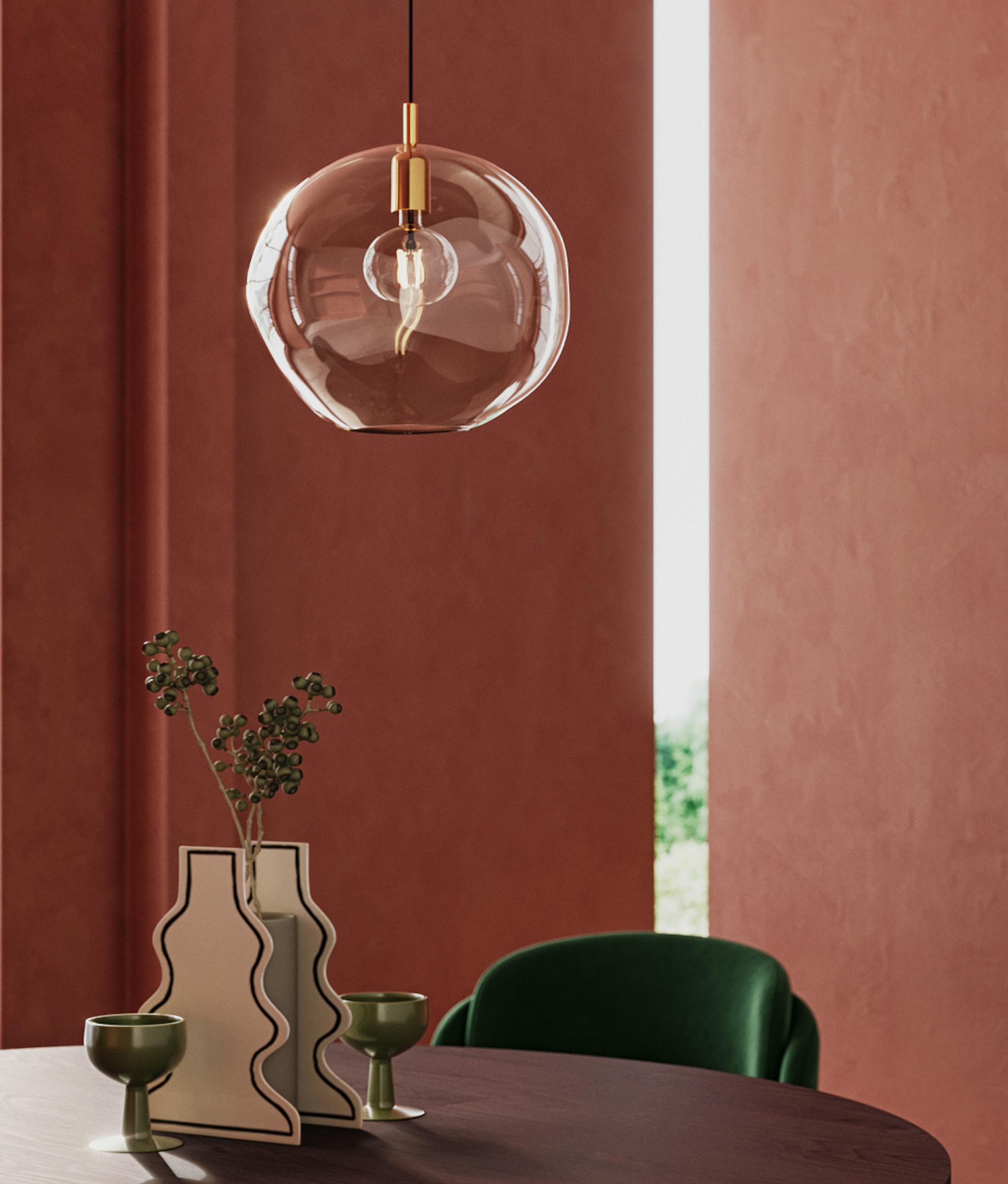
Calming colors have been found to improve sleep quality in various ways. Here's a detailed look at the benefits:
Reduced Stress Levels
Colors like red and amber can help lower stress levels, making it easier to fall asleep. Stress and anxiety are significant contributors to sleep disturbances, and creating a calming environment can help mitigate these effects.
Benefits:
- Lower Cortisol Levels: Calming colors can help reduce cortisol, the stress hormone, promoting relaxation.
- Enhanced Mindfulness: These colors can facilitate mindfulness practices, such as meditation or deep breathing, which are beneficial for sleep.
Improved Sleep Quality
The right colors can enhance the overall quality of sleep by allowing for deeper, more restorative rest. This can lead to improved cognitive function, mood, and overall health.
Benefits:
- Deep Sleep Stages: Calming colors can help you spend more time in deep sleep stages, which are crucial for physical recovery and memory consolidation.
- Reduced Wakefulness: These colors can help reduce the frequency of nighttime awakenings, leading to more uninterrupted sleep.
Enhanced Relaxation
Calming colors promote a sense of peace and tranquility, which is essential for preparing the mind and body for sleep. This can help you unwind more effectively after a long day.
Benefits:
- Mood Regulation: Exposure to calming colors can help regulate mood, making it easier to transition into a restful state.
- Physical Relaxation: These colors can help relax the muscles and reduce physical tension.
Balanced Circadian Rhythm
Exposure to calming colors in the evening supports the body's natural sleep-wake cycle, leading to more consistent sleep patterns.
Benefits:
- Consistent Sleep-Wake Times: Calming colors can help reinforce a regular sleep schedule, making it easier to fall asleep and wake up at the same times each day.
- Hormonal Balance: These colors support the production of sleep hormones like melatonin, ensuring a smoother transition to sleep.