How to Remove Pet Hair From a Couch
If you're a pet owner, you're likely all too familiar with the constant battle against pet hair on your furniture. Pets bring joy and companionship, but they also bring a considerable amount of hair t...


Choosing the right color light can significantly impact the quality of your sleep. Research has shown that specific colors of light can promote relaxation and help you fall asleep faster. Here, we'll explore the best color lights for sleep and explain their effectiveness.
Red light is considered one of the best colors for promoting sleep. Unlike blue or white light, red light has a longer wavelength, which means it doesn't interfere with the production of melatonin, the hormone that regulates sleep. Exposure to red light in the evening can help your body transition into sleep mode more naturally.
Benefits of Red Light for Sleep:
Practical Tips:
Amber light is another excellent option for enhancing sleep quality. Like red light, amber light has a low color temperature and a soothing effect on the eyes. It's less likely to disrupt melatonin production, making it an ideal choice for pre-sleep activities.
Benefits of Amber Light for Sleep:
Practical Tips:
Calming colors have been found to improve sleep quality in various ways. Here's a detailed look at the benefits:
Colors like red and amber can help lower stress levels, making it easier to fall asleep. Stress and anxiety are significant contributors to sleep disturbances, and creating a calming environment can help mitigate these effects.
Benefits:
The right colors can enhance the overall quality of sleep by allowing for deeper, more restorative rest. This can lead to improved cognitive function, mood, and overall health.
Benefits:
Calming colors promote a sense of peace and tranquility, which is essential for preparing the mind and body for sleep. This can help you unwind more effectively after a long day.
Benefits:
Exposure to calming colors in the evening supports the body's natural sleep-wake cycle, leading to more consistent sleep patterns.
Benefits:
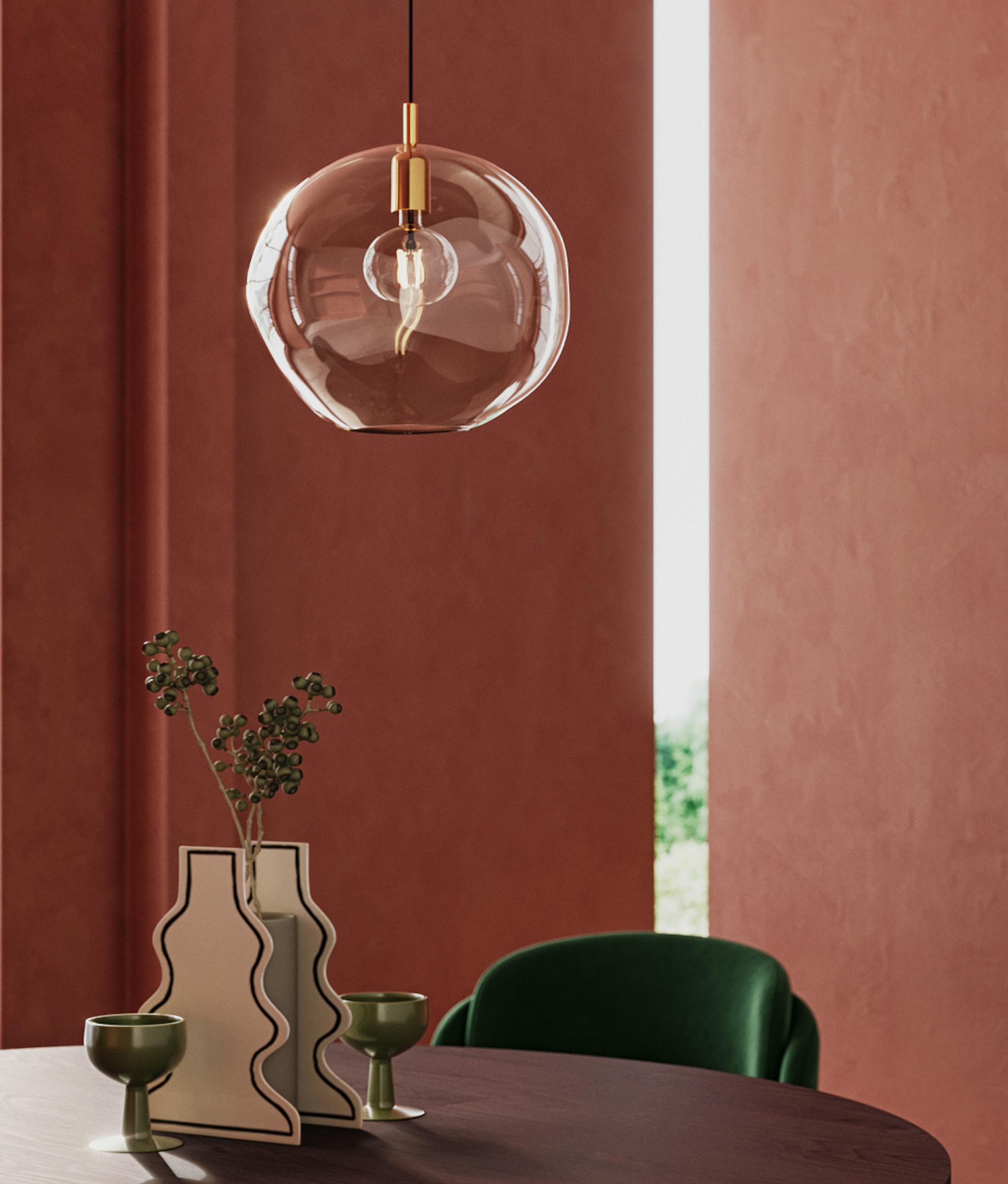
The color of light you are exposed to can have a profound effect on both your mood and sleep quality. Understanding these effects can help you make better choices about your lighting environment.
Blue light is often emitted by screens and LED lights. It is known to boost alertness and mood during the day but can be detrimental to sleep if used in the evening.
Effects:
Tips to Mitigate Blue Light Exposure:
Greenlight falls between blue and red light on the spectrum, with a moderate effect on melatonin suppression.
Effects:
Tips to Mitigate Green Light Exposure:
White light is typically used in household lighting and contains a mix of wavelengths that might disrupt sleep patterns if exposure occurs close to bedtime.
Effects:
Tips to Mitigate White Light Exposure:
Certain light colors can be particularly disruptive to sleep, making it harder to fall and stay asleep. Understanding which colors to avoid can help you create a more sleep-friendly environment.
Blue light is arguably the worst color for sleep. It has a short wavelength that is highly effective at inhibiting melatonin production. Exposure to blue light in the evening can trick your brain into thinking it's still daytime, making it difficult to wind down.
Drawbacks of Blue Light for Sleep:
Greenlight, while not as potent as blue light, can still negatively impact sleep. It falls between blue and red light on the spectrum, with a moderate effect on melatonin suppression.
Drawbacks of Green Light for Sleep:
Understanding the impact of light color on sleep can help you make informed decisions about your evening lighting environment. Red and amber lights are ideal for promoting relaxation and supporting natural sleep processes. In contrast, blue and green lights should be avoided due to their disruptive effects on melatonin production and circadian rhythms. By choosing the right light colors, you can enhance your sleep quality, reduce stress, and improve overall well-being.
For optimal sleep hygiene, consider implementing the following tips:
By incorporating these strategies, you can create a sleep-friendly environment that supports better rest and rejuvenation. Understanding the nuances of how different light colors affect sleep can empower you to make choices that foster a more restful and restorative sleep experience.
If you're a pet owner, you're likely all too familiar with the constant battle against pet hair on your furniture. Pets bring joy and companionship, but they also bring a considerable amount of hair t...
Find out how to effectively clean and deodorize your sofa, ensuring a fresh and inviting home for you and your four-legged friend. Learn how to get pee smell out of couch and how to get urine smell ou...
